

If financial analysis is the rigorous health check-up, then strategic financial planning is the personalized fitness and nutrition plan that follows. It’s the proactive discipline of taking the insights gleaned from your analysis and using them to chart a deliberate course for the future. It’s about looking forward, setting ambitious goals, and then methodically allocating every dollar and resource to make those goals a reality. Looking back, FP&A roles traditionally had a bigger emphasis on manual data gathering, spreadsheet modeling for financial reporting and historical trend analysis. The emphasis is now on team members who understand the technologies they’re using and can collaborate effectively with AI tools.
Revenue forecasting models
Since a model is ultimately just a decision-making tool, we really only need the model to communicate the main points to the executive team. The executive team is not going to want to look through all of the minutia, but they will want to see well-designed charts and exhibits that can quickly tell a story. Instead, we suggest beginning the process by asking what will the model be used for? These types of questions define what we need the model to do, and it gives us a better roadmap for how the model Bookkeeping for Startups should be designed. But the reality is that the insights and understanding that flow out of FP&A make the process worthwhile regardless of how you record and share information.
Data Analysis in Excel

Regular FP&A analysts are also responsible for tracking, analyzing, and evaluating financial activities and creating monthly reports for department heads. It’s about mastering a blend of technical, analytical, and interpersonal skills to help businesses make data-driven decisions. Tesla’s early financial journey offers a glimpse into the critical capabilities that every FP&A professional needs to excel. Aspiring corporate financial analysts can follow a number of educational paths to success in the industry. Degrees commonly held by analysts include accounting, business administration, statistics, and finance. The logical post-graduate course of study for financial analysts is an MBA degree.
What is the difference between an FP&A analyst and a financial analyst?
In addition to financial planning and analysis, Anaplan can also be used for operational planning processes and cost management practices. FP&A has become a key player in helping businesses make smart decisions based on data, predicting the future and being flexible in a fast-changing environment. As we’ve explored the world of FP&A in 2024, it’s clear that it’s no longer just about numbers; it’s about guiding companies toward success. Embracing these innovations will not only enhance the efficiency of financial processes but also enable organizations to make more informed, data-driven decisions. Financial planning and analysis (FP&A) involves building budgets, creating forecasts, analyzing performance, and delivering insights that guide executive strategy. It serves as the analytical engine connecting financial data with business goals.
Where accounting focuses on recording past transactions and compliance, FP&A looks ahead to anticipate trends and outcomes. Treasury manages cash and liquidity; FP&A models scenarios to support long-term planning. FP&A ensures businesses allocate resources efficiently, anticipate financial challenges, and adapt to market changes. A strong FP&A process provides data-driven what is fp&a insights, helping organizations stay competitive and financially resilient.
Vena is ideal for companies that need the fixed process and planning guidance of pre-built FP&A solutions or have the resources to uniquely customize those pre-built solutions for their own needs. This classic go-to software for FP&A and strategic finance professionals is still widely used today. Moreover, Excel is so beloved that most attempts to replace it with another tool fail outright. Cube is the first spreadsheet-native FP&A platform that functions as a single source of truth for your source systems and lets you quickly push and pull data into Excel or Google Sheets. In other words, Cube automates all the manual, error-prone work so that you can focus on the analysis and FP&A forecasting that bring tangible results to your company. Traditionally, FP&A teams worked in Excel sheets, and while they are effective for computing data, they don’t support seamless collaboration between teams.
Why Every Business Needs a Financial Game Plan
- Changing tax laws are causing global organizations to plan and manage their tax affairs very differently than they have to date.
- Financial Planning and Analysis (FP&A) is a pivotal aspect of a company’s financial architecture.
- While data integration from across the company is crucial, so is collaboration.
- This means you’ll need analytical skills to be able to understand complex financial information, identify trends, and make recommendations based on that information.
- Intuit Enterprise Suite allows you to manage users and all these business segments from a single sign-in.
Public company FP&A teams in particular tend to work longer hours, particularly during the quarterly financial close process, when the work can be grueling and time sensitive. A Senior Analyst often directs junior analysts and runs projects, but is still in the weeds and is very much involved in the financial modeling process. Depending on the company, the budgeting process can take upwards of several months per year. Because of this, FP&A professionals will likely go through multiple versions of the budget model. Running a small business means living with lots of uncertainty about market conditions, changing consumer demands, and the overall state of the economy. FP&A can help surface those uncertainties and allow businesses to develop contingency plans and strategies to reduce or respond to risks.

The Critical Role of Automated Data Validation in FP&A
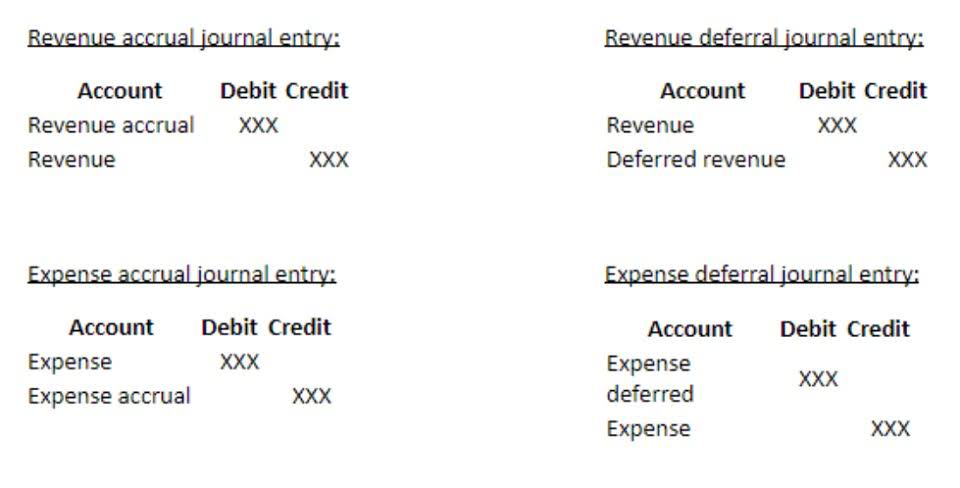
Both activities involve analysing data to build insights that will help the company move towards long-term financial success. However, each one is unique in its workflows and the value it brings to the table. Budgeting involves analysing past financial data and reports to build a solid plan for the business to allocate its financial resources and spend https://www.bookstime.com/ its cash going forward. Planful is ideal for larger companies with large FP&A teams that want to expand their scope of influence beyond finance. The software provides businesses with a platform similar to Excel on which to work on complex financial processes. It also allows users to automate data collection and aggregate data for automatic validation.
What is the difference between FP&A and xP&A?
CFOs therefore often invest in dedicated Financial Planning and Analysis software to aid in FP&A analysis. By exploring the key concepts involved with financial planning and analysis, we’re taking a look at ways it can help enhance your organization’s financial performance and achieve your business objectives. A well-executed financial planning and analysis function delivers significant strategic value., It moves finance from a purely historical reporting role to a forward-looking business partner. Learn the key aspects of financial planning and analysis, from its core processes and strategic benefits to the modern tools that help streamline these vital functions. In fact, 45% of executives cite inadequate reporting and analysis capabilities as a key challenge with their digital solutions, according to QuickBooks’ Business Solutions Survey. This highlights the critical need for effective financial planning and analysis (FP&A).